
Las Vegas, a world-famous entertainment and tourist city, has a public transportation system that is worth a deeper understanding in addition to its dazzling night views and luxurious casinos.
Ⅰ. Overview of Las Vegas Public Transportation
Las Vegas has a wealth of transportation options, but the overall public transportation system is still relatively limited compared to other major cities in the United States. The city’s public transportation is mainly light rail and bus, and taxis and shared travel services are developing rapidly. In particular, the light rail system connects many important tourist attractions on Las Vegas Boulevard, while buses have a wider coverage and are suitable for going deep into the city and surrounding areas. Understanding the advantages and usage scenarios of each transportation tool will greatly enhance your travel experience.
Ⅱ. The Las Vegas Monorail
1. Introduction to the light rail line
The Las Vegas Light Rail, also known as Monorail, is a unique single-track railway in the city that runs through the northern area of Las Vegas Boulevard. It connects major hotels and tourist attractions, and is suitable for tourists to travel quickly and comfortably in the bustling area. The light rail currently operates a route of about 6 miles (about 9.6 kilometers) with a total of 7 stations. The route extends north from the MGM Grand Hotel to Sahara Avenue.
2. Light rail operating hours and fares
The light rail usually starts operating at 7 am and the last train ends at about 2 am, which basically covers the common travel time periods for tourists. In terms of fares, the single fare is about US$5. In addition, there are a variety of ticket options such as one-day tickets and three-day tickets, which are convenient for tourists to choose flexibly according to their stay time. When using the light rail, it is recommended to purchase e-tickets online in advance to enjoy a small discount and avoid queuing.
3. Light Rail Stations and Surrounding Attractions
The 7 stations of the light rail include:
MGM Grand
Bally’s/Paris Las Vegas
Flamingo/Caesars Palace
Harrah’s/The LINQ
Las Vegas Convention Center
Westgate
Sahara Station
These stations cover well-known landmarks such as Bellagio, Caesars Palace, LINQ Shopping Center, and Convention Center. Taking the light rail can easily avoid the busy traffic on Las Vegas Boulevard. It is recommended that tourists use the light rail to plan a day trip to avoid walking too far and save energy.
4. Light Rail Riding Experience and Suggestions
The light rail carriages are spacious and clean, the ride is smooth and quiet, and the carriages are equipped with air conditioning, which is suitable for hot summer weather. The station is equipped with an electronic display screen for passengers to check the next train time. Due to the limited capacity of the carriages, it is often crowded on holidays and weekends. It is recommended to take it during off-peak hours. Passengers with large luggage should pay attention to the luggage security regulations of the light rail station. The light rail is the best public transportation to quickly connect important sections of Las Vegas Boulevard.
Ⅲ. Las Vegas Bus System (RTC Bus)
1. Bus route classification and main routes
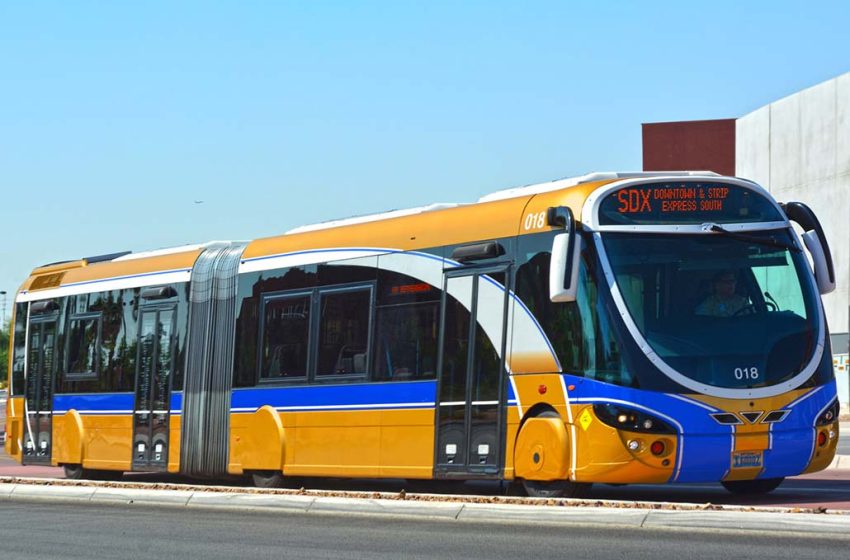
Las Vegas Bus is operated by the Regional Transportation Commission (RTC), and the routes are divided into local buses and express buses (The Deuce and SDX). The Deuce is the most popular double-decker bus, covering the core area of Las Vegas Boulevard, connecting the city to the famous Strip and Fremont Street in the city center. SDX is an express bus that focuses on fast connections between the northern part of Las Vegas Boulevard and the city center, with fewer stops and faster speeds.
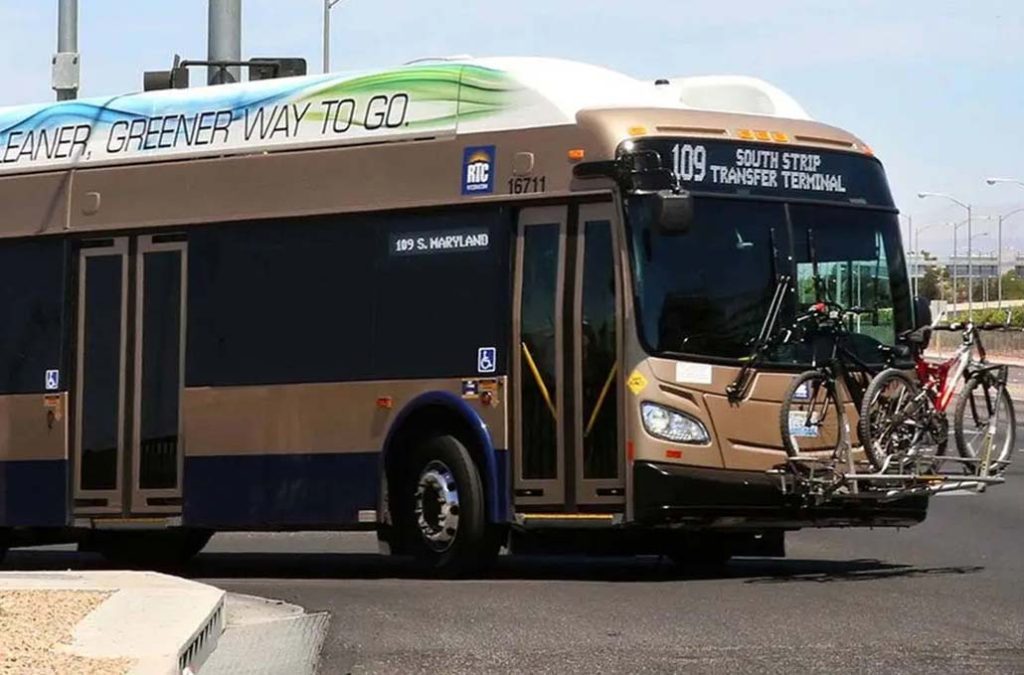
In addition to these two main lines, there are dozens of bus routes extending to the suburbs and surrounding communities, suitable for in-depth exploration of areas outside Las Vegas, such as McCarran International Airport, North Las Vegas, etc.
2. Bus operating hours and frequency
The Deuce and SDX usually operate 24 hours a day with a high frequency, about 10-15 minutes per bus during off-peak hours, and will be reduced at night and during non-peak hours. The operating hours of other local routes generally range from 5 am to 12 midnight. Passengers need to pay attention to the schedule of specific routes to avoid missing the last bus.
3. Ticket purchase methods and fare introduction
Bus fares are very cost-effective, with a one-way fare of about US$2, which is suitable for temporary short-distance rides. Multi-day passes (1 day, 3 days, 7 days) provide unlimited rides at a reasonable price, making them very suitable for tourists to purchase. Tickets can be purchased through the station ticket vending machine, bus driver or mobile app to purchase electronic tickets, which is convenient and fast.
Many buses support card payment (credit card or bus card), which improves the convenience of ticket purchase. It is recommended to download the RTC official app in advance to check the route and ticket purchase information in real time.
4. Bus riding tips and safety reminders
When taking the bus, passengers should prepare change or electronic payment methods in advance. Show the driver the ticket or payment voucher when getting on the bus, and ring the bell to remind the driver to stop when getting off. To ensure safety, it is recommended to keep personal belongings under control, especially in the city center and tourist hotspots.
Some bus routes are long, and passengers can plan the route in advance, understand the transfer stations, and avoid multiple invalid transfers. The environment inside the bus is clean, but it may be crowded during peak hours, so it is recommended to travel during off-peak hours.
Ⅳ. Taxi and shared travel services
1. Taxi use guide
Las Vegas taxis are commonly found at airports, major hotels and popular tourist areas. They are convenient to take but relatively expensive. The starting price of the taxi meter is expensive, and surcharges may be added at night or on holidays. Some taxi drivers will ask for cash payment, so it is recommended to carry cash with you in case of emergency.
When taking a taxi, be sure to confirm whether the vehicle is regular and pay attention to the body logo and driver’s ID. Generally speaking, the taxi waiting areas at airports and large hotels are more standardized, so avoid taking illegal taxis. You can ask the driver to issue a formal invoice for reimbursement or complaints.
2. Shared taxi software (such as Uber, Lyft)
Shared travel services are extremely popular in Las Vegas, and both Uber and Lyft platforms have extensive coverage. The price is more transparent and usually more affordable than taxis, and it supports advance reservations on mobile apps. The taxi process is convenient, users can view driver ratings and vehicle information, and it is safer.
Advantages include the ability to estimate fares, share real-time locations, and choose different car models (economic, comfortable or luxury). The disadvantage is that prices may increase during peak hours, and some areas have limited orders. It is recommended to ensure that the mobile network is unobstructed before the first use and bind a reliable payment method.
3. Car rental service selection and precautions
For tourists who plan to explore the surrounding areas of Las Vegas, such as the Hoover Dam and the Grand Canyon, renting a car is the most flexible option. Las Vegas has many car rental companies that offer a variety of car models, from economy cars to luxury SUVs.
Before renting a car, you should read the rental contract carefully and pay attention to the insurance terms and fuel policy. If you drive yourself, you need to pay attention to comply with local traffic regulations, and you need to know the parking fees and no-parking areas in advance. Many hotels offer parking discounts, and reasonable choices can save money.
V. Walking and cycling experience
1. Las Vegas walking environment
The overall walking conditions on Las Vegas Boulevard are good, and many major tourist attractions are close, which is suitable for walking tours. The streets are spacious, with a large number of sidewalks and overpasses, which makes it easy for tourists to cross busy roads safely.
However, the high temperature and strong sunlight in summer have a certain impact on the walking experience. It is recommended to bring sun protection equipment, replenish water appropriately, and avoid long walks during high temperature periods. In addition, walking at night is relatively safe, but you still need to stay alert and avoid straying from busy areas.
2. Public bicycle and electric scooter rental
Las Vegas offers a variety of shared travel equipment, including public bicycles and electric scooters, which are suitable for short-distance tours and flexible travel. The rental method is generally operated through a mobile phone app, which is convenient and fast.
Public bicycle stations are spread throughout the city, and electric scooters are active in many popular neighborhoods. Wear safety equipment and abide by traffic rules when using. The rental fee is reasonable and suitable for tourists who like to experience different travel methods.
The comprehensive use of multiple means of transportation, combined with walking and cycling experiences, will bring a richer Las Vegas travel experience. Whether it is a short sightseeing or an in-depth tour, you can find a travel method that suits you.