
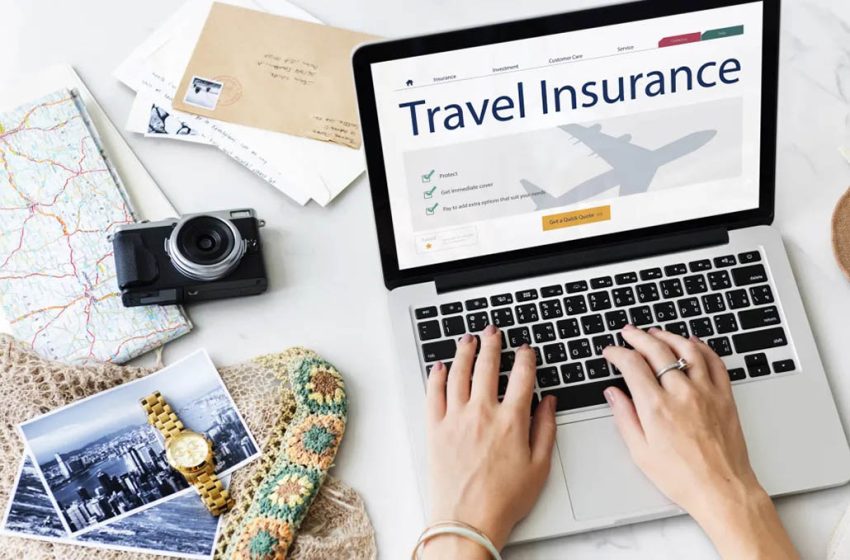
When you step into the brightly lit and glamorous Las Vegas, this city that never sleeps, which rises from the desert, welcomes travelers from all over the world with the most luxurious casinos, the most gorgeous performances, and the most exciting nightlife. However, accidents and emergencies are never limited to locations. Whether it is a wallet theft, flight delays, or sudden illness, travel insurance is your most trustworthy “invisible amulet” in a foreign country.
Ⅰ. Why do you have to buy insurance when going to Las Vegas?
The risk factor behind the charm of the city
Las Vegas is known worldwide as the “gambling city”, but this also means that it is full of excitement, impulse and uncertainty. Whether you come to experience luxury hotels, watch top performances, or drive to Red Rock Canyon or Hoover Dam, these trips may hide unexpected risks.
High medical expenses:
Medical expenses in the United States are high, and the cost of an emergency treatment may easily exceed a thousand dollars. If you unfortunately need to be hospitalized, the cost is calculated on a daily basis.
High incidence of theft and fraud:
During the peak tourist season, Las Vegas is crowded with people, pickpocketing and credit card fraud often occur, and travel insurance can provide compensation for property losses.
Extreme weather and itinerary delays:
Although it is located in a desert area, strong winds, sandstorms and other weather conditions may also cause flight delays or cancellations.
The accident rate of self-driving is not low:
Many tourists choose to drive to national parks or suburbs, but they are not familiar with local traffic rules and traffic accidents may occur.
Travel insurance is cost control and psychological protection
Compared with medical expenses or air ticket rebooking that can easily reach thousands of dollars, the cost of travel insurance usually only accounts for a small part of the overall budget, but it can greatly improve the safety factor and psychological peace of mind of the trip. As a travel blogger, my advice is: no matter how short your journey is or how tight your budget is, you must not save on insurance.
Ⅱ. What types of insurance are suitable for Las Vegas travel?
There are many types of travel insurance on the market. If you want to really “buy a good deal”, you must understand what kind of protection you need.
1. Emergency Medical Coverage
The United States is one of the countries with the highest medical costs in the world, so medical insurance is the most core and indispensable item.
Coverage: Covers outpatient, hospitalization, and surgical expenses caused by sudden illness and accidents.
Recommended coverage: The minimum should be $100,000. If the budget allows, it is recommended to increase to $300,000 or even $500,000.
Whether it includes dental and ophthalmology: If necessary, you can choose to add it.
2. Trip Cancellation / Interruption Insurance
This insurance can partially or fully compensate the paid booking fees when the trip cannot be carried out or the trip is cancelled midway due to unpredictable factors (such as personal illness, death of a family member, strike, natural disaster, etc.).
Recommended group: Travelers who book performances, hotels or business trips a few months in advance.
3. Baggage Loss / Delay Insurance
Luggage delays or even loss often occur at Las Vegas Airport, especially during holidays and peak conference seasons.
Coverage: Compensation for lost items or emergency purchases of daily necessities.
Note: Most insurance companies have a maximum and deductible limit, so be sure to read the terms carefully.
4. Personal Belongings & Theft Protection
Whether it is the theft of valuables in a hotel room, pickpocketing in a casino, or robbing of items in a car by smashing windows, this type of insurance can help compensate for the loss.
Recommended additional: protection clauses for electronic devices such as laptops, cameras, and mobile phones.

5. Personal Liability Insurance
If you accidentally knock someone down in a hotel or have an accident on the highway, causing injuries to others or property damage, you may face high claims. Liability insurance can cover you in such cases.
Recommended amount: at least $500,000, and some insurance plans even cover legal fees.
6. Rental Car Coverage
If you plan to travel by car around Las Vegas, such as the Grand Canyon and Death Valley, it is recommended to purchase additional rental car insurance.
Whether it covers collision damage (CDW) and theft and robbery damage (LDW): This is the key.
Whether it overlaps with the car rental company: If you already have a credit card with built-in insurance function, you can avoid repeated purchases.
III. How to buy insurance at the best price? Comprehensive analysis of purchase channels and skills
1. Compare quotes from multiple insurance companies
Don’t just look at the lowest price, but also look at:
Is the coverage comprehensive
Is it including epidemic protection
Is there 24-hour multilingual customer service
Is the exemption clause reasonable
It is recommended to choose a company that focuses on travel insurance, rather than a single country medical insurance provider.
2. Choose an insurance plan that corresponds to the length of the journey
Short-term insurance that is billed by day is suitable for short-distance travelers, and multiple trip insurance that is billed by month or year is suitable for frequent travelers.
For example, if you plan to travel in North America for 3 consecutive months, an annual pass will be more cost-effective.
For tourists who stay for only 7 days, daily insurance is the most flexible and the lowest cost.
3. Are there discounts for group travel/family travel?
Many insurance plans offer group or family package prices for more than two adults and children, with premium discounts ranging from 10% to 20%.
4. Is it more favorable to purchase with flights/hotels/credit cards?
Some credit cards have built-in travel insurance functions. As long as you use the card to pay the full amount of the ticket, you can activate the insurance benefits. For example, some high-end credit cards cover flight delays, lost luggage, medical expenses and other items.
But please note:
Credit card insurance usually has a lower coverage
Does not include cancellation of trips or large medical items
There are regional restrictions (such as not covering the United States)
IV. Claims process and precautions
No matter how good the insurance is, if it is difficult to claim, it is “seeing but not using”. The following is my own summary of my experience in a claims process:
1. Keep all supporting documents
Including:
Diagnosis report and cost details issued by medical institutions
Official proof of flight delay or cancellation
Hotel invoices, shopping receipts, taxi invoices
Report records (if stolen)

2. Contact the insurance company or report phone number as soon as possible
Most insurance regulations require that reports must be made within 24 to 72 hours after the accident, and delays may result in claims being rejected.
3. Use the insurance company’s app or website to upload information
Now many insurance companies support online claims platforms, which greatly saves time. When taking photos and uploading original documents, make sure they are clear, complete, and recognizable.
4. Be familiar with the deductible and compensation limit
For example, baggage delay compensation may not take effect until 8 hours later, and the maximum compensation is US$200. Understanding these details can help you make rational decisions instead of complaining afterwards.
V. How do different groups of travelers choose the best insurance solution?
Couples/honeymooners
It is recommended to purchase a combination of medical insurance, luggage insurance and cancellation insurance, especially for couples who have booked expensive performances or luxury hotels.
Consider choosing high-end insurance with exclusive hotline services for high-end customers.
Self-driving travelers
Car rental insurance and high liability insurance are the top priorities.
Additional services such as towing and roadside assistance can be added.
Family travel
Children’s accident insurance and family packaged medical plans are more cost-effective.
Give priority to insurance that covers the cost of accompanying children in hospitalization.
Backpackers and budget travelers
Give priority to a simple combination of basic medical insurance + property insurance.
You can use universal insurance that covers the world, but confirm whether it is applicable to the United States.
VI. Common misunderstandings and mine protection guides
1. Mistakenly believe that credit card insurance is enough
Although credit card insurance is convenient, it is often only basic protection, lacking high-cost medical and trip cancellation items, and it is easy to misjudge risks.
2. Ignore the exemption clauses
Most insurance policies clearly state that “injuries after drinking”, “high-risk sports”, “mental illnesses” and so on are not covered by compensation. It is recommended to read carefully before traveling to avoid stepping on the red line by mistake.
3. High-risk activities are not separately insured
If you plan to try extreme activities such as skydiving, hot air balloons, helicopter tours, etc. in Las Vegas, you must choose an insurance option that covers “high-risk projects”.
Las Vegas is a city where light and shadow intersect, and reality and illusion coexist. You may burst into tears because of a show, or you may be overwhelmed by an unexpected incident. The meaning of travel insurance is to buy a confidence for your freedom and relaxation, so that you can immerse yourself in this city that never closes and never sleeps without worries.
Before you board a flight to Las Vegas next time, don’t forget to pack this invisible but most powerful “sense of security” in your luggage.